Choosing a small business health insurance broker in Cincinnati is not simply a question of who can produce quotes. The employer should understand what markets the broker can evaluate, how recommendations are developed, who will service the account, and what support will be provided after enrollment.
A Cincinnati-area employer should also determine whether the broker can:
- compare multiple carriers and coverage approaches
- review provider networks for employees across Ohio, Kentucky, and Indiana
- explain when medical underwriting or a prescreen is relevant
- organize the renewal process before decisions become rushed
- help with enrollment, billing, claims, and carrier problems
- and clearly disclose any employer-paid fees.
This page explains the practical questions Cincinnati employers should ask before selecting a broker or deciding whether their current broker relationship still fits the business.
At a Glance
- Compare brokers based on market access, process, service responsibilities, and local knowledge, not quotes alone.
- Ask which ACA, MEWA, level-funded, and ICHRA pathways the broker can actually evaluate.
- Confirm who will service the account after enrollment and how employee or carrier problems are handled.
- Review how the broker prepares for renewal and communicates alternatives.
- A second opinion or broker change does not necessarily require changing the current insurance plan.
How to Choose a Small Business Health Insurance Broker in Cincinnati
A Cincinnati business should be able to evaluate a broker using observable responsibilities rather than broad promises.
Access to Multiple Carriers and Coverage Approaches
A broker should be able to explain which carriers and arrangements the agency can evaluate. That may include ACA small-group plans, Ohio MEWAs, level-funded arrangements, and ICHRAs when appropriate.
Access alone is not enough. The broker should also explain why a particular pathway is worth reviewing, what information is required, and what employer and employee tradeoffs are involved.
Some underwritten MEWA and level-funded arrangements require more than a basic employee census before rates or terms can be evaluated. A broker should know when a health insurance prescreen for Ohio employers is relevant and how confidential employee health information should be handled.
Our guide to small business health insurance in Cincinnati explains the principal local coverage considerations.
Understanding of Cincinnati Networks and Employee Geography
Greater Cincinnati employers may have employees living or receiving care in Ohio, Northern Kentucky, and Southeast Indiana. A broker should review the specific provider network attached to each proposal and determine whether employees outside Ohio can reasonably use it.
The carrier’s name alone does not establish which doctors, hospitals, or out-of-area providers are included. Different products from the same carrier may use different networks.
A broker should also help the employer compare how deductibles, copays, coinsurance, out-of-pocket limits, and employer contributions affect employees who use those networks.
A Defined Renewal Process
The employer should understand when renewal work begins, what information will be reviewed, which alternatives will be considered, and how employees will be informed about any changes.
A renewal process should not begin and end with forwarding the carrier’s increase. Depending on the situation, the review may include the current plan, other carriers, underwritten alternatives, contribution changes, provider-network differences, and whether keeping the existing arrangement remains the most practical decision.
Our small business health insurance renewal system explains the process in greater detail.
Year-Round Account Support
Before selecting a broker, ask who will handle enrollment changes, billing questions, carrier problems, employee questions, and renewal preparation after the initial sale.
The person presenting the proposal may not be the person who services the account. The employer should know who is responsible, how that person can be reached, and what types of issues the agency will help resolve.
Our guide to what a small business health insurance broker does explains the broker’s role before enrollment, during implementation, at renewal, and throughout the plan year.
Do You Need a Local Cincinnati Broker?
A Cincinnati address does not automatically make one broker a better fit than another. What matters is whether the agency can demonstrate the market access, local knowledge, process, and service the employer needs.
Local experience may be especially useful when the broker understands:
- Cincinnati-area hospital systems and provider networks
- employees who live or receive care in Northern Kentucky or Southeast Indiana
- Ohio small-group carrier and underwriting practices
- MEWA and chamber-linked pathways relevant to Cincinnati employers
- and the practical service needs of small Ohio employers.
A national or out-of-area agency may still be appropriate when it can demonstrate comparable Ohio market access, regional network knowledge, responsive account service, and a defined renewal process. Physical proximity is useful only when it translates into better analysis or service.
Questions to Ask Before Choosing a Broker
- Which Ohio small-group carriers and coverage approaches can your agency evaluate?
- How do you review provider networks for employees across Greater Cincinnati?
- Who will service our account after enrollment?
- When do you begin preparing for renewal?
- How do you help with billing, enrollment, claims, and carrier problems?
- When do you recommend medical prescreening?
- Do you charge any consulting, implementation, or service fees in addition to carrier compensation?
- Can you review our current plan without requiring us to change carriers or brokers immediately?
Our statewide guide provides a fuller explanation of how to choose a small business health insurance broker in Ohio.
Reviewing Your Current Broker Relationship
An employer does not need to decide immediately that the current broker or plan must be replaced. Another agency may be able to review the renewal, contribution strategy, available alternatives, provider needs, and service concerns before the employer makes that decision.
A second opinion can help the employer determine whether the current arrangement remains competitive, whether additional options deserve review, and whether the principal concern involves the plan, the renewal, or the broker relationship.
Learn how to get a second opinion on small business health insurance.
When the employer wants to retain the current plan but appoint a different broker, an Agent of Record letter in Ohio may allow the broker relationship to change without automatically changing the carrier or coverage.
Frequently Asked Questions
What should I ask a small business health insurance broker before hiring the agency?
Ask which carriers and coverage approaches the agency can evaluate, who will service the account, when renewal work begins, how provider networks are reviewed, what support is available after enrollment, and whether the employer will pay any separate fees.
Do I need a local Cincinnati health insurance broker?
Not necessarily. A local broker may provide useful familiarity with Cincinnati-area networks, tri-state employees, and Ohio market practices, but location alone does not establish fit. The employer should compare market access, service responsibilities, renewal process, and demonstrated regional knowledge.
Can another broker review our current coverage without changing the plan?
Yes. A broker can often review the current plan, renewal, contribution strategy, provider network, and available alternatives before the employer decides whether to make any change. A review does not obligate the employer to replace the carrier, coverage, or current broker.
Can we change brokers without changing our health insurance plan?
Often, yes. An Agent of Record change may allow an employer to appoint a different broker while retaining the current carrier and plan, subject to carrier procedures and the terms of the existing arrangement.
Who should service the account after enrollment?
The employer should know who is responsible for enrollment changes, billing questions, employee issues, carrier problems, and renewal preparation. Ask whether the person presenting the proposal will remain involved and who will handle day-to-day service.
Can a broker help compare ACA plans, MEWAs, level-funded arrangements, and ICHRAs?
A broker may help compare those approaches when the agency has access to the relevant markets and understands the eligibility, underwriting, network, financial, administrative, and employee tradeoffs involved. No single approach is automatically the strongest fit for every employer.
Do small business health insurance brokers charge additional fees?
Compensation depends on the insurance arrangement and the agency. Brokers are commonly compensated by carriers, while some agencies or arrangements may involve separate consulting, implementation, or service fees.
Before engaging a broker, ask for a clear explanation of any fees the employer will pay directly.
Is health insurance cheaper when a small business uses a broker?
Using a broker does not guarantee a lower premium. The broker’s value is in helping the employer evaluate available carriers and plan structures, understand tradeoffs, review the renewal, and avoid making decisions from an incomplete comparison.
Discuss Your Current Coverage or Broker Relationship
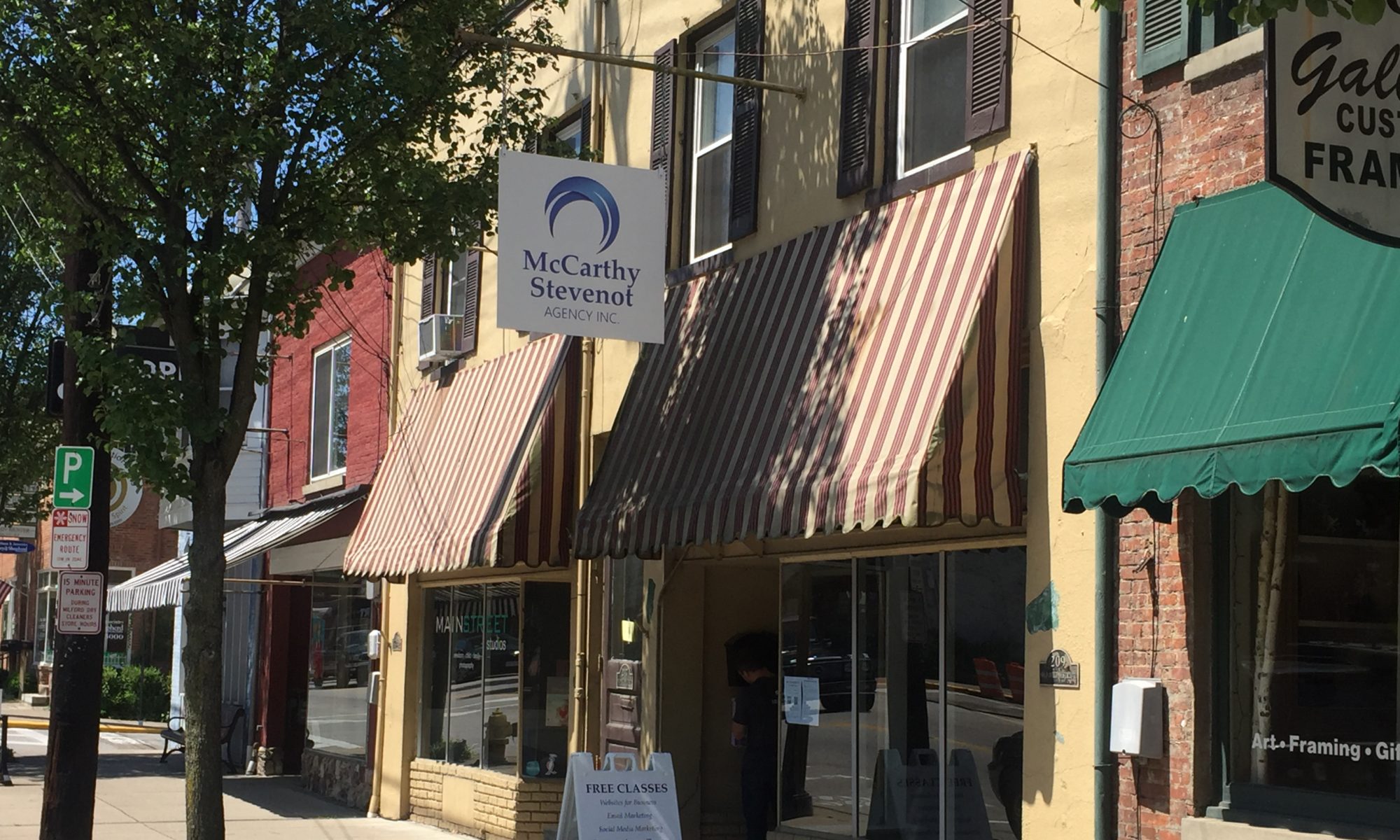
McCarthy Stevenot Agency is an independent Ohio health insurance agency based in the Cincinnati area. Since 1991, we have worked with Ohio employers, generally in the 2–50 employee market, to evaluate coverage options, renewals, contribution strategies, provider needs, and ongoing account service.
Contact McCarthy Stevenot Agency or call 513-891-9888 to discuss the group, the current coverage, and what type of review makes sense.
Related Resources
How to Choose a Small Business Health Insurance Broker in Ohio
Review the questions, service standards, market-access considerations, and evidence employers can use to compare brokers.
What Does a Small Business Health Insurance Broker Do in Ohio?
Learn what a broker may handle before enrollment, throughout the plan year, and during renewal.
How to Get a Second Opinion on Small Business Health Insurance
Understand how another agency can review the current plan, renewal, contribution strategy, and available alternatives.
Small Business Health Insurance in Cincinnati
Review the coverage approaches, provider-network issues, tri-state workforce considerations, and local market pathways Cincinnati employers may encounter.
Disclaimer: This page is provided for general educational purposes and should not be interpreted as legal, tax, accounting, or benefits advice. Broker services, compensation, carrier appointments, plan availability, eligibility, underwriting, pricing, provider networks, participation requirements, administration, and carrier procedures vary by agency, employer, arrangement, effective date, and governing documents.